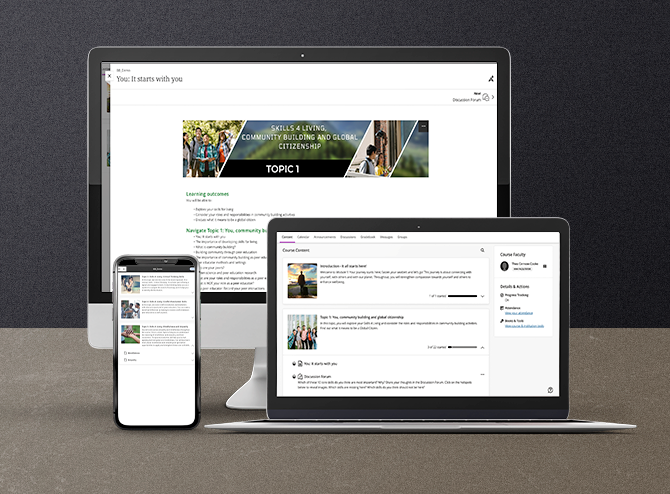
A skills-based framework for living and learning
Helping learners thrive through an interactive, health & wellbeing-focused curriculum
What is Skills4Living?
- Goal setting
- Growth mindset
- Mindfulness
- Resilience
- Self-care
- Stress management
Communication and collaboration
- Active listening
- Communication
- Teamwork
- Conflict resolution
- Mediation
- Compassion
Leadership and social engagement
- Leadership
- Empathy
- Initiative
- Networking
- Open-mindedness
Thinking and adaptability
- Critical thinking
- Creativity
- Decision making
- Problem-solving
- Adaptability
Organisation and productivity
- Presentation skills
- Dependability
- Entrepreneurship
- Time management
Self-awareness and personal growth
Testimonial
Our delivery model
Skills4Living is delivered through three interconnected parts. They create a blended and practical learning experience that feels relevant to everyday life.
- Built-in self-assessments across all modules and topics
- Clear signposting to support services when learners need it
- Flexible pacing so students can learn in their own time
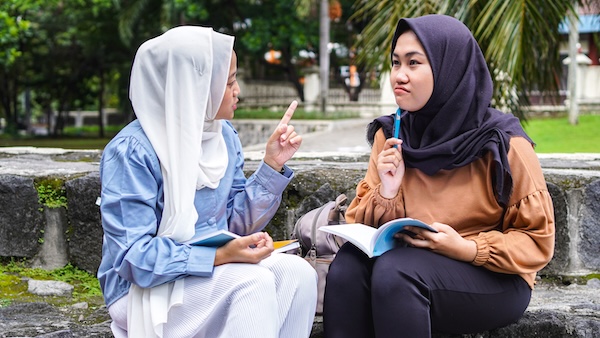
Peer to peer
Our in-person component focuses on connection and shared learning.
- Group discussions, small-group projects and informal activities
- Horizontal learning, with young people learning from one another
- Early ripple effects as skills are practised in real conversations and settings

Speaker Series
Live talks and Q&As with guests from public life, creative industries, sports, media and community leadership.
- Adds real-world depth to the curriculum
- Helps learners connect personal skills to wider social issues and future pathways

Online learning
Interactive digital modules combine short videos, role-play activities, multimedia content, case studies and reflective tasks.
Learn by doing
Skills4Living puts real emphasis on practice. We learn best when we try things out, reflect and apply skills in everyday situations.
The programme gives learners regular opportunities to take on peer mentor roles, practise new behaviours and build confidence step by step. Through these activities, learners strengthen their ability to support themselves and to guide and encourage others.
Chris, a Counselling & Psychotherapy student at the University of Salford speaks about how Skills4Living impacted him.
Programme modules
The modules act as a vehicle through which learners build soft skills and convert knowledge into positive action. Click on the module title below to expand and find out more.
Click on the module below to expand and find to find out more.
- Module 1 - Skills4Living and Peer Mentoring
This module helps learners build practical life skills to navigate challenges, support others and play an active role in their communities.
- Core Life Skills: Builds critical thinking, communication, empathy, leadership and time management through real-life application
- Peer Mentoring: Learners explore how peer mentoring creates connection and supports safer, more inclusive learning environments.
- Communication and Reflection: Helps learners build confidence in speaking, listening, presenting and holding constructive conversations, with opportunities to practise these skills in different settings.
- Community Building: Explores how individual actions contribute to healthier group dynamics, mutual support and stronger communities.
- Module 2 - Rights, Respect and Community
This module empowers learners to understand their rights, respect others, and engage in inclusive community participation.
- Human Rights and Responsibility: Introduces key civic principles including rights, voting and volunteering
- Cultural Competence: Builds awareness of different backgrounds and encourages inclusive, respectful engagement
- Responding to Discrimination: Equips learners to recognise and act against racism, stigma and exclusion
- Civic Contribution: Promotes positive citizenship through real opportunities for local and national involvement
- Module 3 - Gender and Equality
This module helps learners develop a deeper understanding of gender, respectful relationships, and the importance of creating safe, inclusive environments for all.
- Understanding Gender-Based Violence: Builds awareness of different forms of gender-based violence, including consent, harassment and victim-blaming
- Supporting Others: Introduces practical ways to offer peer support and signpost to appropriate help when needed
- Gender Roles and Relationships: Encourages reflection on gender expectations and respectful behaviours in personal and social contexts
- Sexual and Gender Diversity: Promotes understanding of different identities and encourages inclusive, respectful communication
- Module 4 - Mental Health and Wellbeing
This core module gives learners tools to understand mental health, look after themselves, and support their peers through everyday challenges.
- Mental Health Awareness: Introduces different models of mental health and tackles stigma through open conversation
- Wellbeing Tools: Teaches practical strategies including self-care, stress management and setting personal goals
- Peer Support and Referral: Builds confidence to spot warning signs and signpost friends to trusted support
- Storytelling and Self-Acceptance: Uses personal storytelling to strengthen identity, empathy and mental wellbeing
- Module 5 - Disability and Inclusion
This module helps learners understand disability, challenge discrimination, and take practical steps to create more accessible, inclusive spaces.
- Understanding Disability: Introduces models of disability and the principles of Universal Accessibility
- Identifying Barriers: Explores the everyday challenges people with disabilities face across different settings
- Addressing Discrimination: Builds confidence to recognise and address ableism and exclusion
- Promoting Inclusion: Encourages learners to take action to improve access, awareness and participation for people with disabilities
- Module 6 - Physical and Sexual Health
This module supports learners to make informed choices about their health, build healthy habits, and understand key aspects of sexual wellbeing and disease prevention.
- Healthy Living: Covers balanced eating, physical activity, and developing a positive relationship with body image and health
- Sexual Health and Relationships: Explores consent, contraception, reproductive health and respectful relationships
- Disease Prevention: Raises awareness of STIs and other communicable diseases
- Everyday Health Choices: Encourages reflection on daily habits and long-term wellbeing
- Module 7 - Staying Safe and Reducing Harm
This module supports learners to make safer choices, understand the risks of substance use, and build the confidence to support themselves and others.
- Substance Awareness: Explores the effects of alcohol, drugs, vaping and other substances
- Reducing Risk: Introduces strategies for safer behaviours and access to support
- Peer Support: Builds skills to support friends using a non-judgemental approach
- Decision-Making: Strengthens problem-solving and critical thinking in high-risk situations
- Module 8 - Climate and Green Futures
This module connects climate change to personal wellbeing and careers, helping learners explore practical responses and imagine more sustainable futures.
- Climate Understanding: Explains the causes, impacts and key terms around climate change
- Personal Action: Encourages small, everyday steps to reduce environmental impact
- Health and Adaptation: Links climate change to mental and physical wellbeing
- Green Careers: Introduces pathways in sustainability, including green, blue and circular economies
- Module 9 - Financial Skills and Future Planning
This module prepares learners to manage money confidently, think creatively about their futures, and plan for greater independence.
- Money Management: Teaches budgeting, saving and avoiding debt
- Financial Safety: Raises awareness of scams, fraud and risky financial decisions
- Enterprise and Creativity: Encourages entrepreneurial thinking and income generation
- Career Readiness: Builds transferable skills like adaptability, creativity and networking
- Module 10 - Digital and Cyber Safety
This module helps learners navigate the online world safely and responsibly, strengthening their awareness, judgement and ability to support others.
- Digital Citizenship: Covers respectful online behaviour, digital consent and understanding digital identity
- Spotting Misinformation: Builds skills to recognise misleading content, check sources and identify bias
- Online Safety: Introduces practical steps for managing privacy, avoiding scams and staying secure
- Cyber Resilience: Supports learners to respond constructively to cyberbullying, digital harm and online risks
How the blended curriculum works:
The programme combines online multimedia lessons and self-assessments with in-person peer learning opportunities. Modules are flexible, allowing students to engage at their own pace.
Outcomes for learners
By completing the programme, participants will be able to:
- Develop peer mentor and workplace skills
- Promote health and wellbeing and healthy behaviours
- Make informed decisions about lifestyle, digital safety, climate and finances
- Help to build inclusive environments for gender and disability
- Act to help prevent discrimination
- Apply Skills4Living such as critical thinking, adaptability, problem solving and empathy.